Letters spacing
 Line height
 Default
 Big
Big More big
 Default
 Black & White
Equality through Financial Inclusion Guide to understanding Money Transfers
srchThumbnail:/en/Images/understanding-money-transfers-200x200_tcm41-555968.webp
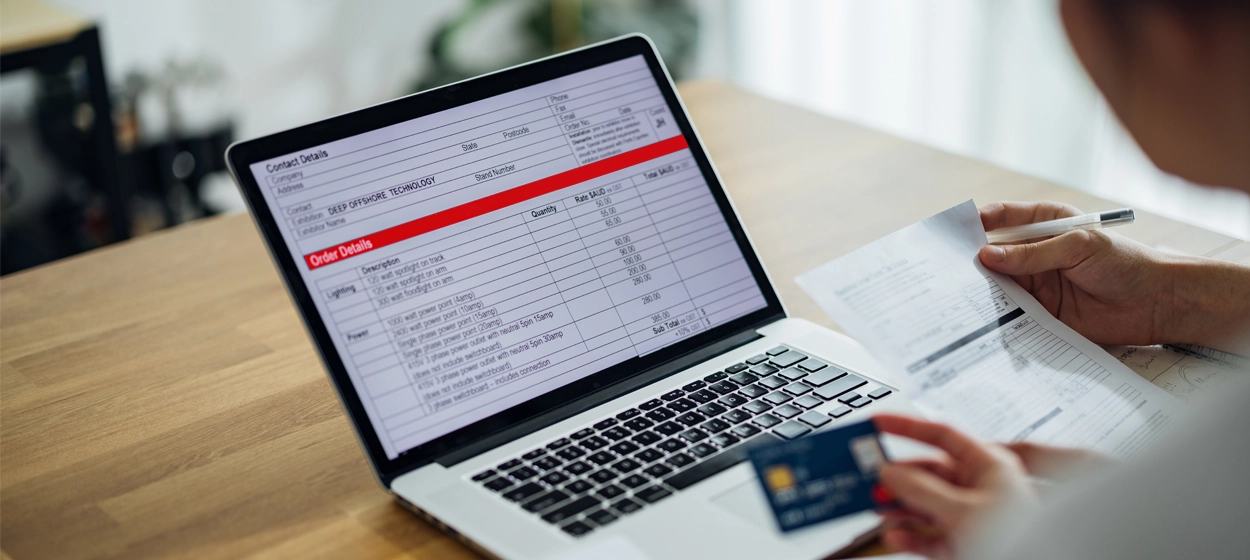
Money transfers, or funds transfers, are the process of moving funds from one person or organization to another. This can be done domestically—within the same country—or internationally. Transfers can happen through banks, digital wallets, or money transfer operators.
Types of Money Transfers
- Domestic Transfers: Sending money between accounts within UAE.
- Account to account Transfers (within the same bank).
- AED transfers to other local banks.
- Transfers below AED 50K are normally be processed instantly.
- Transactions above AED 50K will be processed within 1 business day in general.
- International Transfers (Remittances): Sending funds to accounts in another country, often requiring currency conversion.
How banks facilitate Money Transfers
In general, banks provide a variety of money transfer services:
- Online and Mobile Banking transfers: Customers can send money 24/7 using the bank’s internet or mobile banking platforms.
- SWIFT (Society for Worldwide Interbank Financial Telecommunications) transfers: For international payments, most banks use the SWIFT network, enabling global money movement securely with varying delivery times. Transfer charges are as per bank’s Schedule of Fees.
- Direct transfers: Faster processing times with instant and same-day credits available for some countries. Ideal for frequent, low-value payments between individuals.
What you need to transfer money
To initiate a transfer through banks, you typically need:
- A valid bank account
- Recipient details: Full name as per the recipient’s bank records, bank name and branch, account number/IBAN (International Bank Account Number) if applicable, and other mandatory bank details such as:
- Sort code for UK accounts.
- Transit and institution code for Canadian accounts.
- BSB (Bank-State-Branch) code for Australian accounts.
- Fedwire code for some US accounts.
- SWIFT code / BIC (Business Identifier Code) for international transfers.
- Access to Mobile or Retail Internet banking, or by visiting a branch.
Fees and exchange rates
Money transfers may incur fees depending on:
- Destination country.
- Currency conversion.
- Speed of delivery.
Most banks, provide a fee breakdown during the transfer process. It's important to review them.
- Transfer fee – a choice between:
- OUR (Our Cost): The sender pays all the fees associated with the transfer. This means the recipient receives the full amount sent, with no deductions for transfer fees.
- BEN (Beneficiary Cost): The recipient pays all the fees. The transfer amount is reduced by the fees before it reaches the recipient.
- SHA (Shared Cost): The sender and recipient share the fees. The sender pays the fees charged by their bank, and the recipient pays the fees charged by their bank.
- Exchange rate margins.
Security and reliability
Generally, banks place a strong emphasis on secure banking. Key safety measures include:
- Multi-factor authentication (MFA) like OTP (One-Tine Password) or FacePass®.
- Encrypted transactions.
- Fraud detection and alerts.
Customers are also encouraged to double-check recipient details and avoid sharing sensitive information with unverified sources.
Tips for smooth Money Transfers
- Double-check all details: Errors can delay or cancel transfers.
- Know the cut-off times and processing times: Some transfers, especially international, may not be processed outside business hours.
- Track your transfers: Most banks allow you to monitor status via their internet banking platform or mobile app.
- Keep records: Always save confirmation numbers or receipts for your reference.
Money transfers today are faster and safer than ever before. Whether you are sending funds to family overseas or paying for services locally, banks provide the tools to do so with ease. Understanding how the process works—and what options are available—ensures your money gets where it needs to go, securely and efficiently.
Enjoy convenient funds transfers at your fingertips. Click here to learn more.
Tags: Building up savings Reducing debt Buying a car Growing a family