
 Letters spacing
 Line height
 Default
 Big
Big More big
 Default
 Black & White
Fraud Awareness Protect yourself from fake Fazaa platinum card scams
srchThumbnail:/en/Images/phishing-scams-offering-fake-fazaa-platinum-cards-200x200_tcm41-564426.webp
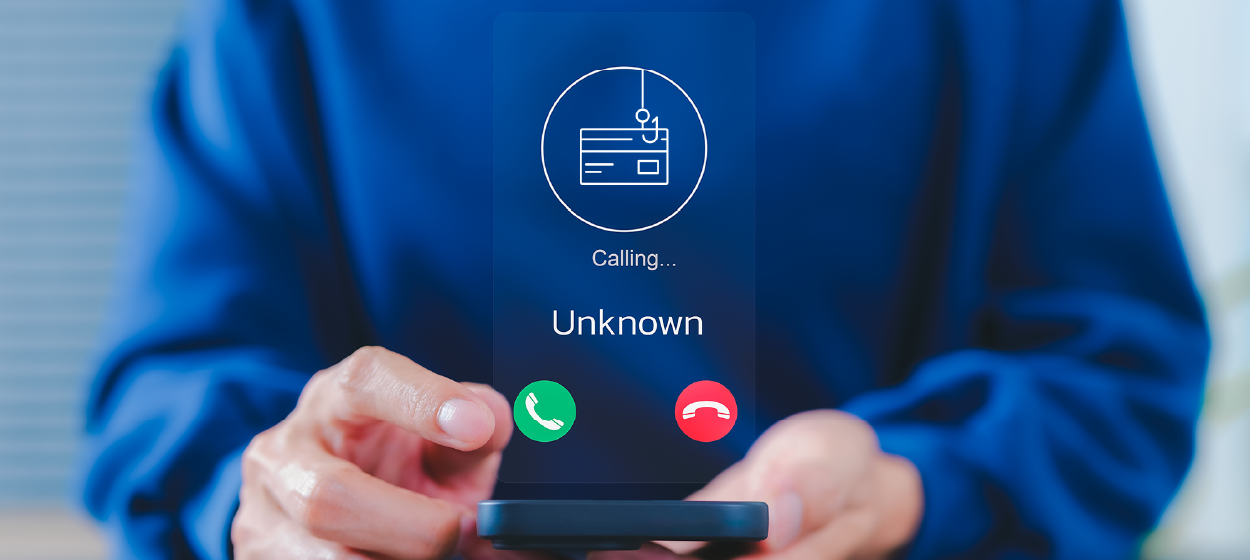
Fraudsters are constantly evolving their tactics to exploit consumer trust and gain access to sensitive information. One of the latest schemes circulating in the UAE involves fraudulent offers related to Fazaa platinum cards, which is a well-known social support initiative that provides exclusive benefits to its members. These scams are not only misleading but also dangerous, as they aim to steal personal and banking details by impersonating legitimate institutions.
The phishing campaign typically presents itself as a limited-time offer, claiming that recipients are eligible for a free Fazaa platinum card through a partnership with a reputable bank. The message may appear convincing, often using official logos, formal language and professional formatting to create a false sense of authenticity. Victims are then directed to fake websites that closely mimic real banking or government portals, where they are prompted to enter sensitive information such as Emirates ID numbers, account details, and even one-time passwords (OTPs).
This type of scam poses a serious risk to you and the broader financial ecosystem. It not only compromises personal data but can also lead to financial loss, identity theft and long-term damage to consumer confidence. As these threats become more sophisticated, it is crucial for you to stay informed, recognise the warning signs and know how to respond effectively.
How to recognise phishing emails?
- Generic greetings
Be cautious of emails that do not address you by name or use vague salutations like “Dear Sir/Madam”. - Urgency
Phishing emails often create a sense of urgency to pressure you into taking immediate action. - Suspicious links or attachments
Hover over links (on desktop) or long-press (on mobile) to inspect the URL before clicking. Avoid downloading unexpected attachments. - Spelling and grammar errors
Many phishing emails contain noticeable mistakes or awkward phrasing. - Unusual sender addresses
Check the sender’s email address carefully. Fraudulent emails often come from addresses that mimic legitimate ones.
How to stay safe?
- Never share sensitive information
Do not enter your login credentials, PINs or financial details via unsolicited links. - Use official channels only
Access your bank’s website directly into your browser or download your bank’s mobile banking app only from the Apple App Store or Google Play Store. - Avoid unauthorised offers
Do not trust offers of exclusive discounts or benefits not listed on the official Fazaa platform.
What to do if you suspect interaction with a fraudulent message?
- Immediately change your online banking password or PIN.
- Contact your bank immediately.
- Monitor your accounts. Keep an eye on your bank statements and transaction history for unauthorised charges.
- Report the scam by notifying the UAE Cybersecurity Council or other relevant authorities to help prevent others from being targeted.
Continue to be vigilant and informed as this helps protect not only yourself but also your community from digital fraud.
If you believe you have been targeted by fraud, please report it immediately through our official Contact Centre on 600 50 2030.
Stay Safe online with authentic websites
If you are unsure about the authenticity of a website, you can visit the UAE Government’s Stay Safe platform
Simply copy and paste any website link you are unsure of into StaySafe. It will check multiple sources to determine whether the site is a scam, phishing attempt, or a legitimate website.
Please note these sources are not complete or error-free, as new types of phishing attempts and well-hidden scams may not be identifiable.
StaySafe is one of many tools and checks available, and additional measures should always be taken to verify the authenticity of a website.
Tags: Restructuring finances Reducing Debt Financial protection Improving Credit Getting Financially Aware Learning a new skill Knowing your financial options Fostering smart money habits

