
 Letters spacing
 Line height
 Default
 Big
Big More big
 Default
 Black & White
Managing and Growing Small Businesses Website and payment essentials for entrepreneurs
srchThumbnail:/en/Images/exploring-website-and-payment-essentials-200x200_tcm41-561651.webp
Securing your online storefront
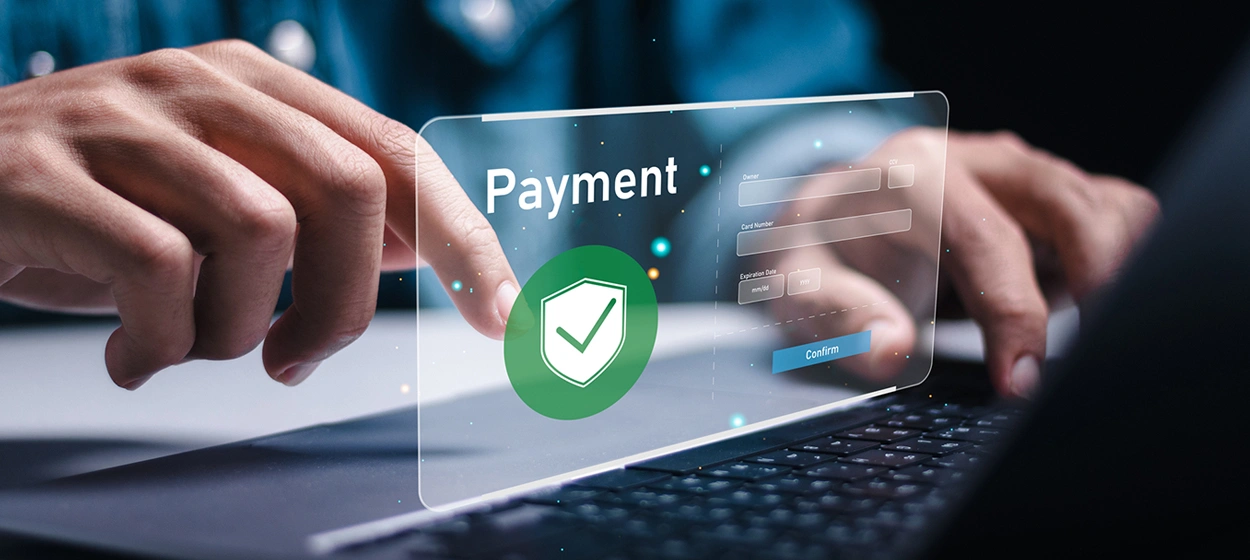
Your website is your digital shopfront. In an age of rising cyber threats and increasing customer expectations, it is essential for entrepreneurs to ensure their online platforms are secure, transparent and compliant. This guide outlines the key website and payment practices every online business should follow to build trust, prevent fraud and operate confidently in the digital marketplace.
Website requirements for entrepreneurs
To maintain credibility and protect your business, your website should meet the following standards:
Essential Features:
- A consistent trading name and website Uniform Resource Locator (URL).
- Clear descriptions of products or services, including pricing.
- Accurate contact details (telephone number, physical address, email)
- Transparent shipping and returns policies.
- A privacy policy explaining how customer data is used.
- Secure payment pages protected by Secure Sockets Layer (SSL) certificates.
Prohibited Content:
- Adult or offensive material.
- Illegal or restricted goods and services.
- Unverified or unaccredited payment pages.
- Payment pages lacking secure browser sessions
Strengthening online payments through 3D Secure authentication
 |
What is 3D Secure?3D Secure is an online cardholder authentication protocol developed to enhance the security of online transactions. It is supported by major card schemes and helps verify the identity of the cardholder during checkout. |
Benefits:
- Reduces the risk of chargebacks.
- Builds customer confidence.
- Helps detect and prevent fraudulent transactions.
How it works:
- The cardholder enters a password or verification code during checkout.
- The bank confirms the cardholder’s identity.
- If authentication fails, the transaction should not be completed.
Best practices for online transactions
To minimize risk and ensure secure processing, consider the following:
- Request a Card Verification Value 2 (CVV2) for Visa or Card Validation Code 2 (CVC2) for MasterCard for verification.
- Ask for the cardholder’s bank name to confirm legitimacy.
- Verify that billing and delivery addresses match.
- Avoid shipping to Post Office Box (PO) boxes.
- Use fraud detection tools provided by your payment gateway.
Handling suspicious orders
Be alert to the following red flags:
- Use of multiple cards for a single order.
- Orders placed using free or anonymous email addresses.
- Requests for urgent or overnight delivery.
- Orders shipped to third parties or unfamiliar addresses.
- Bulk purchases of high-value items.
A secure website is the foundation of a trustworthy online business. By implementing these best practices, entrepreneurs can create a safer shopping experience, reduce the risk of fraud, and build lasting customer confidence. Your website is your digital storefront. In an era of increasing cyber threats and customer expectations, entrepreneurs must ensure their online platforms are secure, transparent and compliant. This guide outlines the essential website and payment practices every online business should follow.
Explore how to empower your business with multiple gateways and simpler payments.

Did you know?Driving efficiency with Direct Debit Systems
Knowledge quiz Which of the following is a key benefit of using the UAE Direct Debit System (UAEDDS) for small businesses?
Tags: Nearing Retirement Entrepreneurs Growing Your Savings Growing Your Business Investing for Growth

