
 Letters spacing
 Line height
 Default
 Big
Big More big
 Default
 Black & White
Money Guide for Expatriates in the UAE Inside your AECB report
srchThumbnail:/en/Images/aecb-report-200x200_tcm41-583176.webp
In the UAE, every financial move you make, from paying your credit card bill to applying for a car loan, leaves a footprint. That footprint is captured in your Al Etihad Credit Bureau (AECB) report, a document that lenders rely on to decide whether to approve your application, what interest rate to offer and even how much credit you can access. Think of it as your financial resume: it tells your story and lenders read it closely.
Understanding what is inside your AECB report and why it matters is essential for anyone who wants to borrow responsibly, maintain financial health and secure favorable terms. This guide breaks down the components of the report, explains how lenders interpret it and offers practical tips to keep your UAE credit score strong.
What is an AECB credit report?
The AECB credit report is an official record of your credit history in the UAE. It includes:
- Personal Information: Your name, Emirates ID and contact details.
- Credit accounts: Details of loans, credit cards, mortgages and overdrafts—both active and closed.
- Payment history: Whether you have paid on time or missed deadlines.
- Bounced cheques: Any returned cheques due to insufficient funds.
- Outstanding balances: How much you owe across all facilities.
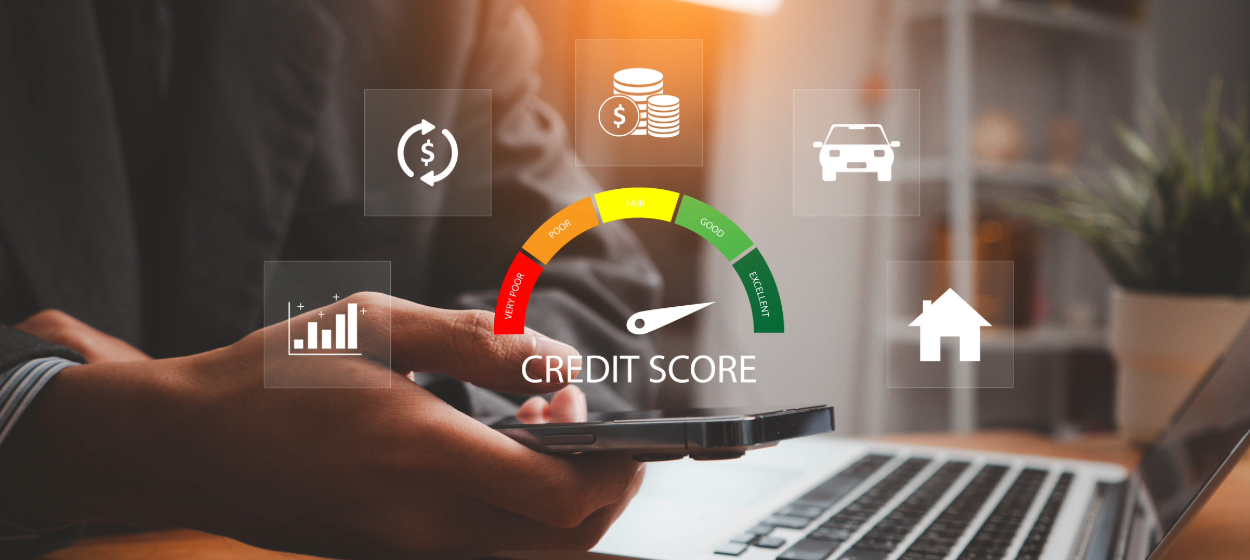
- Credit score: A three-digit number (300–900) that predicts your likelihood of defaulting on payments.
These data are collected from banks, finance companies, telecom providers and even utility firms. It’s updated monthly and governed by UAE federal law to ensure accuracy and transparency.
Why does it matter to lenders?
When you apply for a loan or credit card, lenders focus on one key question: Can you repay what you borrow? Your AECB report helps answer that by showing:
- Your risk level:
The credit score is the headline figure. Higher scores (700+) signal reliability, while lower scores raise red flags. - Your debt load:
Lenders check how much you already owe and whether you can handle more credit. - Your behaviour:
Timely payments build trust; late payments or defaults erode it. - Your financial stability:
A long, clean credit history suggests consistency, while frequent applications or bounced cheques suggest risk.
Banks combine this report with other factors like income, employer stability and the Central Bank’s debt-burden ratio (which caps monthly repayments at 50% of income). But the AECB credit report is the foundation of their decision-making.
What lenders actually see?
Here are what lenders scrutinize in detail:
- Credit score bands:
- 746 – 900 : Excellent
- 711 – 745 : Very good
- 651 – 710 : Good
- 541 – 650 : Fair
- Below 541: Poor
- Account status:
Are your loans and cards active, closed or delinquent? - Repayment patterns:
Any 30-, 60-, or 90-day late payments? Recent delays weigh more heavily. - Credit utilisation:
Are you maxing out your credit cards? High utilisation signals financial stress. - Legal issues:
Active court cases or unresolved disputes can halt approvals. - Cheque history:
Returned cheques are visible and concerning, though cleared ones may be forgiven. - Application trends:
Multiple recent loan applications can make lenders nervous.
Even your telecom and utility bills count. Missed payments to Etisalat or DEWA can lower your UAE credit score.
How your AECB credit score is calculated?
The credit score is calculated using an algorithm based on modern predictive analytics methodologies. These methodologies are commonly used in multiple global credit bureaus and banks. They take the vast information available in credit profiles into account, comparing this information to credit history and behaviour of all individuals in the UAE.
Why it matters beyond loans?
Your AECB report is not just for banks. It plays a role in several aspects of your financial and personal life:
- Rental agreements
Landlords and property management companies often check your credit report before approving a lease. A strong AECB score signals reliability and timely payments, making you a preferred tenant. Conversely, a poor score can lead to higher security deposits or even rejection. - Job applications
For roles involving financial responsibility such as accounting, banking or senior management, employers may review your credit history. A clean report reflects trustworthiness and sound financial habits. - Insurance premiums
Some insurers consider credit scores when calculating premiums. A good AECB score can sometimes mean lower rates because it suggests lower risk. - Utility and telecom services
Providers may check your credit history before activating services or offering postpaid plans. A positive report can help you avoid upfront deposits. - Business partnerships
If you are starting a business or entering into a partnership, your credit profile can influence negotiations and trust. A strong score reassures potential partners and investors of your financial stability.
How It Works?
- Apply for a loan or Credit card and inform your lender you have foreign credit history.
- You will receive a consent request via email.
- Once approved, Nova Credit (global credit bureau) retrieves and translates your report.
- Your translated report is shared with your lender as part of their evaluation.
Participating Countries:
As of now, the service includes credit histories from countries:
- United Kingdom
- India
- Philippines
- Australia
- Germany
- South Korea
- Spain
- Switzerland
- Ukraine
- Kenya
- Mexico
- Dominican Republic
- Austria
Common misconceptions
“I don’t have loans, so I am safe.”
Not true. Having no loans does not automatically mean you have a good credit profile. In fact, no credit history often results in “no score,” which makes lenders cautious because they have no data to assess your repayment behavior.
“Checking my report lowers my score.”
False. When you check your own AECB report through official channels, it is considered a soft inquiry, which does not affect your credit score. Only hard inquiries, when lenders check your report during a loan or credit application, can have a minor impact. So, monitoring your report regularly is a smart financial habit.
“One missed payment won’t matter.”
It does. Even a single late payment can dent your score, especially if it is recent. Payment history is one of the most significant factors in your AECB score calculation. A delay of 30 days or more can stay on your report for years and affect your ability to get favorable loan terms. Consistency is key.
“Closing old credit cards improves my score.”
Not always. Closing old accounts can shorten your credit history and increase your credit utilisation ratio, both of which may negatively impact your score. Instead, keep older accounts open and active with minimal usage to maintain a healthy credit profile.
“Paying off debt instantly boosts my score.”
Not always. While paying off debt is good for your financial health, your score may take time to reflect the change because updates happen monthly. Also, other factors like credit history length and recent inquiries still influence your score.
How to improve your AECB credit score?
- Making payments on or before the due date.
- Avoiding returned cheques.
- Reducing the number of credit cards and loans.
- Reducing outstanding balances and credit card utilisation limits.
Your AECB report is more than a piece of paper - it is your financial reputation. Lenders use it to decide whether to trust you with their money. By understanding what is inside, you can take control of your financial future, secure better deals and avoid unpleasant surprises. Check your report regularly, maintain healthy credit habits and remember: every payment you make today shapes the opportunities you will have tomorrow.
For more practical tools and guidance to manage debt effectively, click here.

Did you know?Your financial records help tell your story
Knowledge quiz Which habit can help you stay informed about your financial profile?
Tags: Financial protection Getting financially aware Managing family finances Working and growing Building up savings Knowing your financial options Improving credit

