
 Letters spacing
 Line height
 Default
 Big
Big More big
 Default
 Black & White
Customers in need of extra care Key measures to maintain good money etiquette
srchThumbnail:/en/Images/good-money-etiquette-200x200_tcm41-556224.webp
Good financial etiquette is crucial for everyone, especially when you are working on improving your financial health. Practicing good financial etiquette is not just about saving money; it is about building trust and credibility with your financial dealings. Whether you are managing loans, paying bills, or discussing finances, the right approach can make a significant difference.
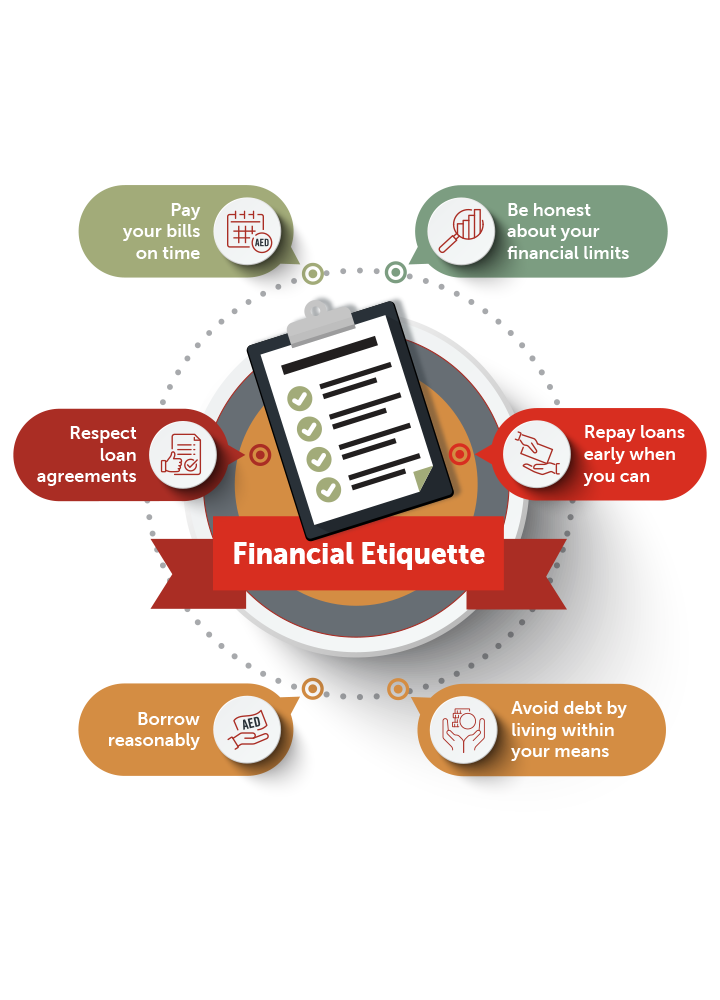
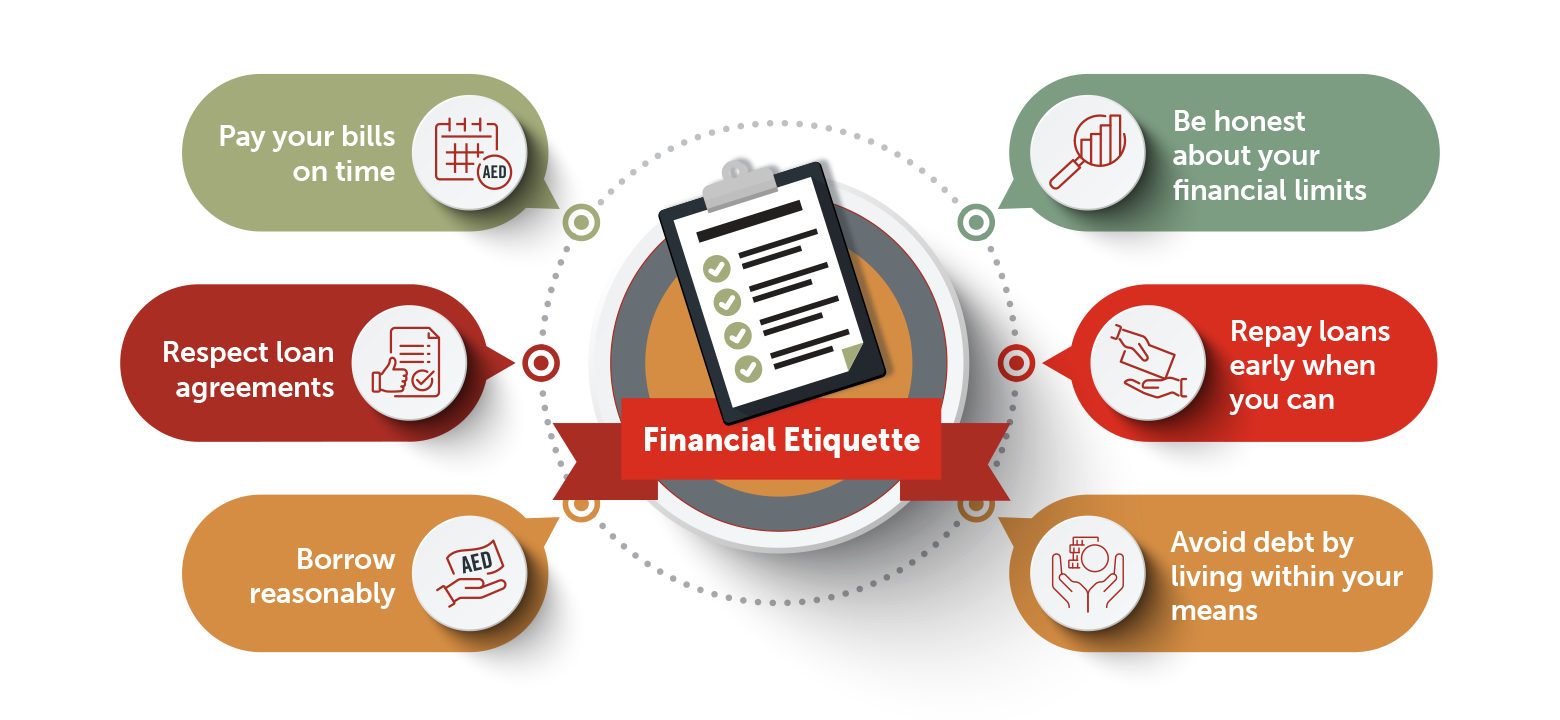
Key practices of good financial etiquette
- Pay your bills on time
Ensuring that your bills are paid on time is fundamental. This not only helps avoid late fees but also strengthens your credit score, making future financial transactions smoother. - Respect loan agreements
Stick to the terms set out in any loan agreements. This means understanding and adhering to the repayment schedules and any other stipulations, showing that you are a reliable borrower. - Borrow reasonably
Only borrow what you can realistically pay back. Assess your income and expenses thoroughly before deciding on any new debt to keep your financial health intact. - Repay loans early, when possible
If you have extra funds, consider paying off loans earlier than scheduled. This can reduce the amount of interest you pay and improve your debt-to-income ratio. - Be transparent with your financial abilities
Always be honest about your financial capacity when discussing loans or repayments. This can prevent misunderstandings and fosters trust with lenders or creditors. - Avoid debt by living within your means
Understand your monthly discretionary and non-discretionary expenditure as well as your savings. Maintain a healthy checklist of payments and ensure you do not overspend on lavish items that are beyond your meansn
Practicing good financial etiquette is essential for maintaining a healthy financial life. By managing your finances responsibly and respecting others' financial boundaries, you set a foundation for long-term financial stability. Always remember, good financial habits not only benefit you but also build your reputation as a trustworthy individual in all financial dealings.
Tags: Working Professional Restructuring Finances Reducing Debt Improving Credit Getting Financially Aware Knowing Your Financial Options

