
 Letters spacing
 Line height
 Default
 Big
Big More big
 Default
 Black & White
Starting your banking journey Making the most of your monthly income
srchThumbnail:/en/Images/making-the-most-of-monthly-income-200x200_tcm41-600442.webp
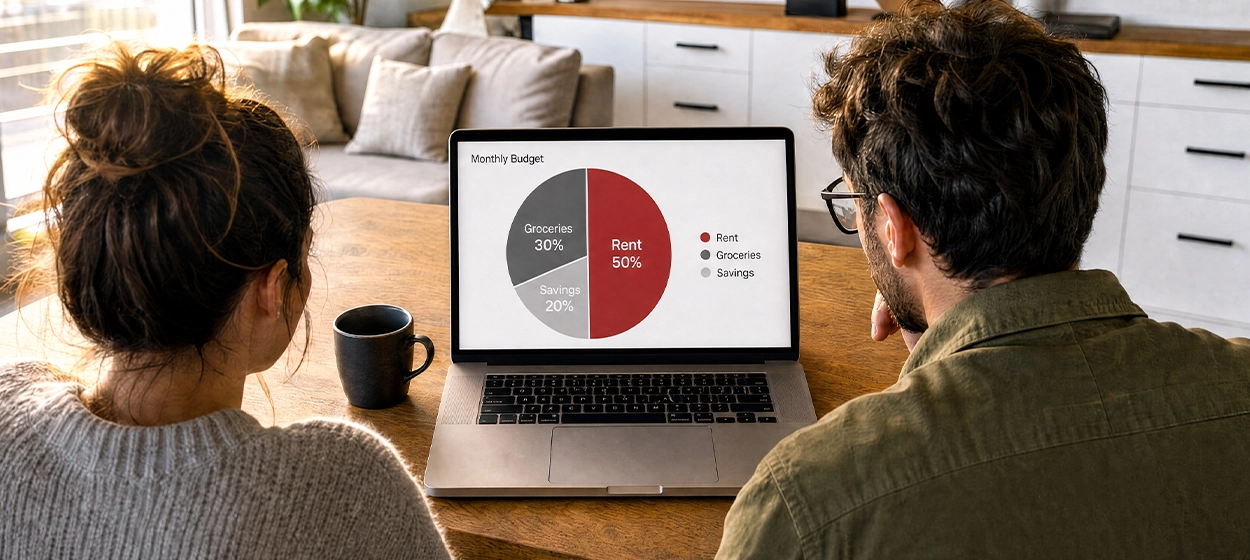
Receiving your salary each month in your Universal Account is an important step in managing your finances. While it can be tempting to spend it straight away, having a simple plan can help you cover your everyday expenses, prepare for unexpected costs, and stay on top of your financial commitments.
One of the simplest ways to manage your money is by creating a budget. A budget helps you understand how much money you receive, where it goes and how to make informed decisions each month.
What is a budget?
A budget is a simple plan for managing your money. It helps you track your income and expenses so you can understand where your money is being spent.
You do not need any special tools or financial expertise to create a budget. You can use a notebook, a spreadsheet or budgeting app to keep track of your finances.
The goal of a budget is to help you cover your essential expenses first and make more informed decisions about your spending.
Know your monthly income
The first step in creating a budget is understanding how much money you receive each month.
For many people, their salary is their primary source of income. Once you know how much money is coming in, you can plan how to use it more effectively.
Understanding your income can help you make realistic spending decisions and avoid committing to expenses that may be difficult to manage.
Identify your essential expenses
Essential expenses are the costs you need to cover to support your daily life and responsibilities. These may include:
- Housing or accommodation costs
- Utility bills such as electricity and water
- Mobile phone expenses
- Transportation costs
- Groceries and household essentials
- Family commitments
Before spending on non-essential items, consider setting aside money for these expenses first.
Separate needs from wants
A helpful budgeting habit is understanding the difference between needs and wants.
Needs are expenses that support your everyday life and responsibilities. Examples include:
- Rent or housing costs
- Food and groceries
- Transportation
- Utility bills
Wants are items or experiences that may make life more enjoyable but are not essential. Examples include:
- Dining out frequently
- Entertainment subscriptions
- Impulse purchases
- Non-essential shopping
This does not mean you should never spend money on things you enjoy. Understanding the difference between needs and wants can help you make balanced spending decisions.
Track your spending
Small purchases can add up over time. Tracking your spending can help you understand where your money is going. You may find it helpful to group your expenses into categories such as:
- Food and groceries
- Transportation
- Bills
- Personal expenses
- Entertainment
Reviewing your spending regularly can help you identify areas where you may be able to reduce unnecessary expenses.
Review your budget regularly
Your financial situation can change over time. Expenses may increase, priorities may shift, or new financial goals may emerge.
Taking a few minutes to review your budget each month can help ensure it continues to work for you. A regular budget review can help you:
- Check whether you stayed within your budget
- Identify spending habits
- Adjust your plans if needed
- Stay focused on your financial priorities
Building better money habits
Budgeting is not about restricting yourself. It is about understanding your finances and making informed decisions about how you use your money.
Developing good money habits can support your financial well-being and help you feel more confident about managing your finances.
Managing your monthly income does not have to be complicated. Small consistent changes to your spending habits can make a meaningful difference over time.

Did you know?Keep your account safe
Good money management also means protecting your account and personal information.
- Use your account only for your own personal transactions. Do not receive, hold, or transfer money on behalf of someone else.
- Never allow anyone else to use your account, debit card, login details, PIN or One-time password (OTP).
- Stay alert to potential scams, including urgent requests for money, unexpected links, or messages urging you to act immediately.
- Never share your personal or banking information with anyone claiming to represent the bank. If you are unsure, stop and contact the bank through an official channel.
Learn about Money Mule Account fraud and how to protect yourself.
Tags: Starting out Articles Building wealth Wealth & investment management Learning investing Building savings Increasing wealth

