
 Letters spacing
 Line height
 Default
 Big
Big More big
 Default
 Black & White
Starting Out The difference between digital and branch banking
srchThumbnail:/en/Images/digital-and-branch-banking-200x200_tcm41-589601.webp
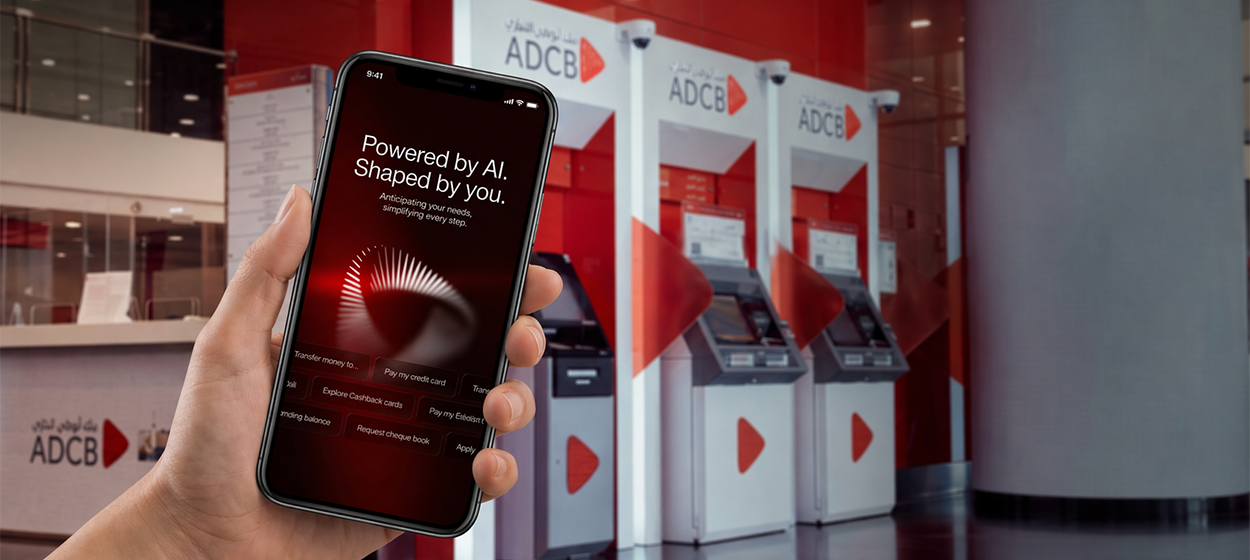
Customers have different preferences when it comes to how they interact with their bank. Some prefer the speed and convenience of modern digital banking, while others value the personal experience of visiting a branch and speaking to someone face-to-face.
As banking services continue to expand across both digital and physical channels, understanding what each option offers and when to use it has become an important part of managing finances.
In this article we explore what banking means in practice, the services banks typically provide, why many services are now offered digitally, and how to choose the option that best suits your needs.
What is banking?
At its core, banking is about helping individuals and families manage, protect and plan their money. Banks typically offer services that allow you to:
- Receive income and make payments.
- Save for future goals.
- Access financing and loans when needed.
- Manage risks and unexpected expenses using available tools.
- Keep your money secure.
- Invest funds.
Over time, the way these services are delivered have evolved but their purpose remains the same.
The digital transition of banking
Banks today are transforming how they serve customers not only to modernise services but also to respond effectively to evolving customer needs and rapid developments in the financial sector. As expectations shift towards greater speed, flexibility and convenience, digital channels offer quicker and smoother everyday banking aligned with modern lifestyles. Digital platforms help customers complete routine tasks anytime and anywhere, while branches continue to provide support for more complex or personalised needs.
What’s driving the digital transition?
Banks are expanding their digital capabilities to:
- Stay responsive to changing customer expectations: Customers want faster services, fewer steps, and the freedom to manage their finances on their own terms. Digital tools help meet these expectations instantly and consistently.
- Keep pace with industry innovation: New technologies, smarter systems and enhanced security allow banks to offer more efficient and reliable digital services.
- Enhance everyday convenience: Routine tasks that once required a branch visit can now be completed in minutes through digital banking.
- Support faster streamlined processing: Digitally guided steps reduce manual work and speed up outcomes for standard requests.
They are designed to handle simple, frequent tasks, while branches continue to support more complex or personalized needs.
Examples of services that can be done digitally instead of going to the branch:
- Check account balance and transaction history.
- Transfer money locally or internationally.
- Paying bills and setting up recurring payments.
- Update personal details.
- Download statements and confirmations.
- Block, unblock or manage cards.
- Track spending and set alerts.
To learn more about service requests, visit our educational video gallery

Common misconceptions about digital banking
Some customers hesitate to use digital banking due to concerns or outdated assumptions. These feelings are understandable, however many concerns no longer reflect today’s secure and user-friendly platforms.
“Digital banking isn’t secure”
Modern digital banking platforms use multiple layers of security, including authentication, encryption and monitoring systems to protect your accounts and information. Customers are also provided with tools to control access when required and receive alerts through the mobile banking app.
“If something goes wrong, there’s no one to help.”
Digital banking does not replace support. Assistance remain available through customer service channels and branches as and when needed.
“Digital banking is only for younger generations”
Digital services are designed to be intuitive and accessible. Many platforms include guided steps, clear instructions and support options for users of all ages.
“Branches will disappear completely.”
Branches will continue to play an important role, especially for complex requests, personalized support, or situation that require face-to-face discussions between bank staff and customers.
Finding support or raising a complaint
While banks provide support across both digital platforms and branch network, it is understandable that challenges may still arise. These may include technical issues, delays, misunderstandings, or outcomes that do not align with your expectations.
When this happens, you can raise a complaint through any of the relevant channels such as:
- Mobile app or internet banking – conveniently submit your concern online at any time.
- Contact center – speak with the customer service team for immediate assistance.
- Any of the bank branches – visit a branch for matters requiring identity verification, document submission, or detailed clarification.
To learn more about raising complaints, you can view our educational video on how to raise a complaint.
Digital channels are best used for routine, repeatable tasks that can be completed independently.
On the other hand, branches remain important for requests that require discussion, verification, or personalised support.
Choose the right option based on your situation to avoid unnecessary visits and make your banking experience more streamlined.

Did you know?Banking alerts can help you stay informed
Knowledge quiz What can help you monitor account activity more easily?
Tags: Starting out Banking knowledge Articles Digital products & services ATMs & Branches

