
 Letters spacing
 Line height
 Default
 Big
Big More big
 Default
 Black & White
Starting Out Embracing green mobility
srchThumbnail:/en/Images/hybrid-and-electric-vehicles-200x200_tcm41-556110.webp
In an era where sustainability is the key, hybrid and electric vehicles (EVs) are not just eco-friendly alternatives but also catalysts for empowering individuals. These vehicles offer smoother rides, lower operating costs, and innovative accessibility features, making them a compelling choice for individuals seeking independence and mobility.
Understanding hybrid and electric vehicles
- Hybrid vehicles
Combine an internal combustion engine with an electric motor, offering improved fuel efficiency and reduced emissions. generations. - Electric vehicles (EVs)
Powered solely by electric batteries, producing zero tailpipe emissions and requiring less maintenance due to fewer moving parts.
Benefits of electric vehicles
- Environmental Impact
Electric vehicles (EVs) produce zero tailpipe emissions, which helps reduce greenhouse gas emissions and air pollutants. This contributes to cleaner air, less smog in urban areas, and a healthier environment for current and future. - Cost efficiency
EVs are generally more cost-effective to operate compared to traditional gasoline vehicles. With lower fuel expenses, thanks to electricity being cheaper than petrol and reduced maintenance needs due to fewer moving parts, drivers can enjoy long-term savings. - Performance
Electric vehicles deliver instant spin, providing smooth and responsive acceleration. The quiet operation and balanced weight distribution also contribute to a superior, more enjoyable driving experience.
Financial considerations and support
Transitioning to a hybrid or electric vehicle involves financial planning. However, various support mechanisms can ease this process:
- Government incentives
Many regions offer tax credits, rebates, or grants to promote the adoption of eco-friendly vehicles. - Specialized financing
Financial institutions may provide tailored loan options. - Maintenance savings
EVs typically have lower maintenance costs due to fewer mechanical components.
Charging infrastructure and accessibility
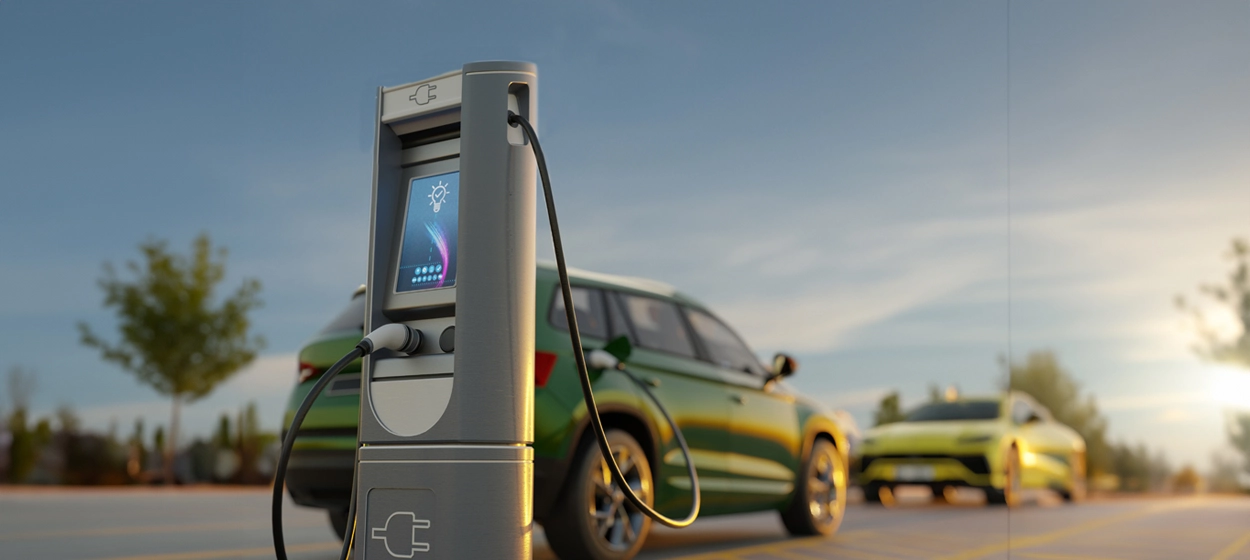
A robust and accessible charging infrastructure is crucial for the widespread adoption of EVs:
- Public charging stations
Efforts are underway to increase the number of charging points, especially in urban areas. - Home charging solutions
Installing a home charger offers convenience and ensures the vehicle is ready when needed. - Accessible design
Charging stations are being designed with considerations for wheelchair users, including appropriate height and space for maneuvering.
Hybrid and electric vehicles represent more than just a shift towards sustainable transportation, they embody a movement towards greater independence. By embracing these technologies, individuals can experience enhanced mobility, contributing to a more equitable and environmentally conscious society.
Tags: Working professional New to UAE Travelling Learning A New Skill

