
 Letters spacing
 Line height
 Default
 Big
Big More big
 Default
 Black & White
Starting Out Exploring the considerations behind easy payments
srchThumbnail:/en/Images/bnpl-200x200_tcm41-594936.webp
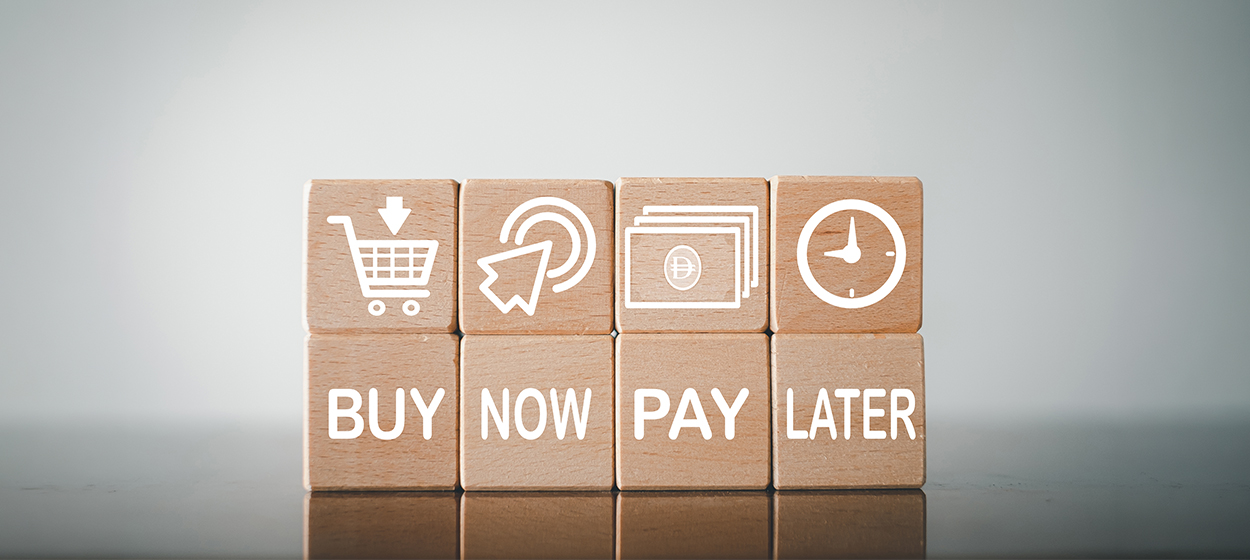
Buy Now, Pay Later (BNPL) is rapidly becoming a common way to pay for goods and services. Whether shopping online or in-store, consumers are often given the option to split payments into smaller instalments instead of paying the full amount upfront.
At first glance, this can make purchases feel more affordable and easier to manage. However, BNPL is not simply a payment method. It is a form of short-term credit. While it offers flexibility, it also creates financial commitments that need to be carefully managed. The true cost of BNPL is not always immediately visible at the point of purchase, which makes it essential to understand how it works and how it may impact your overall financial situation.
What BNPL actually is
BNPL allows you to receive an item or service immediately while paying for it over a short period. In most cases, the total amount is divided into equal instalments, often four payments over several weeks.
Many BNPL options are marketed as “interest-free,” provided that all payments are made on time. While this feature can make the product attractive, it does not mean the arrangement is cost-free. BNPL still involves borrowing money and committing to future repayments.
It is important to treat BNPL like any other financial obligation and include it in your budget planning.
Why BNPL feels easy to use
One of the main reasons BNPL has become widely adopted is its simplicity. It is typically integrated into the checkout process, requires minimal information and offers quick approval. This removes many of the traditional barriers associated with accessing credit.
In addition, breaking down a purchase into smaller instalments can make higher-priced item feel more affordable. Paying smaller amount over time often feels less significant than making a single full payment upfront, even though the total cost remains the same.
This convenience and perceived affordability can make it easier to commit to purchases without fully considering the long-term financial impact.
Exploring the hidden considerations of Interest-Free
Although BNPL is often promoted as interest-free, there are important costs and risks to consider.
1. Late fees and chargesThe “interest-free” benefit applies only when payments are made on time. Missing a payment may result in late fees or penalty charges, increasing the total cost of the purchase. In some cases, these charges can accumulate, especially if multiple instalments are missed.
2. Overspending and impulse purchasesSplitting payments into smaller amounts can shift focus away from the total price. This can create a perception that the purchase is more affordable than it actually is.
As a result, consumers may be more likely to make impulse purchases or spend beyond their planned budget. Over time, this behaviour can lead to increased financial strain, particularly when multiple purchases are made using BNPL.
3. Multiple payments can add upIt is common to use BNPL for several purchases at the same time. While each individual instalment may appear manageable, the combined total can become difficult to track.
Different payment dates and schedules may create confusion, increasing the risk of missed payments or underestimate how much is owed overall. This can place pressure on your monthly finances.
4. Potential impact on future financesDepending on the provider, missed or delayed payments could affect your financial profile. This may limit your ability to access credit in the future or lead to additional consequences such as collection processes.
Even if payments are small, they represent commitments that can affect your overall financial position if not managed properly.
Learn how to be financially resilient, click here.
5. Understanding the bigger financial pictureBNPL does not reduce the cost of what you are buying. It simply changes how and when you pay for it.
Because BNPL is embedded within the shopping experience, it can feel less like borrowing and more like a convenient payment option. This can lead to a disconnect between spending decisions and their financial impact. Without careful tracking and planning, it becomes easy to lose visibility over total spending and ongoing commitments.
Using BNPL responsibly
BNPL can be useful when used in a controlled and informed way. It offers convenience and flexibility, but it should not be viewed as a cost-free option. The absence of upfront payment can make spending feel easier, but the obligation remains.
Understanding BNPL as a form of credit is essential. By recognising the true cost, managing your payments carefully, and making informed spending decisions, you can use BNPL in a way that supports, rather than disrupts your financial wellbeing.

Did you know?Buy Now, Pay Later (BNPL)
- is a form of short-term credit, not a cost-free payment option
- does not reduce the price of what you are buying
- Interest-free offers still require full repayment on time
- Late fees and penalties can increase the overall cost
- Smaller instalments can make spending feel more affordable than it is
Tags: Starting out Banking knowledge Articles Digital products & services ATMs & Branches

