
 Letters spacing
 Line height
 Default
 Big
Big More big
 Default
 Black & White
Building Wealth Is your portfolio prepared for the unstoppable tide of ESG investing?

srchThumbnail:/en/Images/rising-with-esg-200x200_tcm41-564315.webp
The rise of ESG - King Canute and the tide
Environmental, social and governance investing, often shortened to ESG, has moved far beyond being a fashionable acronym. It now represents a fundamental shift in how wealth is evaluated, managed and grown. At its core, ESG investing is about understanding that financial returns are no longer the only measure of success. How a company treats the environment, its people and its governance structures can significantly influence its long-term viability and profitability.
This is not about choosing between doing good and doing well. It is about recognising that the two are increasingly intertwined. Investors are beginning to ask deeper questions:
- Is this company prepared for climate risks?
- Does it treat its employees fairly?
- Is its leadership transparent and accountable?
These questions are not just ethical, they are strategic.
The King Canute analogy: a timeless lesson
The story of King Canute is often misinterpreted. He did not believe he could stop the tide. Instead, he used the rising sea to show his followers that even a king’s power has limits. The tide, like nature and time, moves on its own terms.
This story is a fitting metaphor for the rise of ESG. The shift towards sustainable investing is not something that can be commanded or delayed. It is happening, driven by climate realities, social movements and governance failures that have shaken markets. Investors who try to resist this tide may find themselves exposed to risks they did not anticipate. Those who adapt, however, may discover new opportunities for growth and resilience.
What ESG really means for investors?
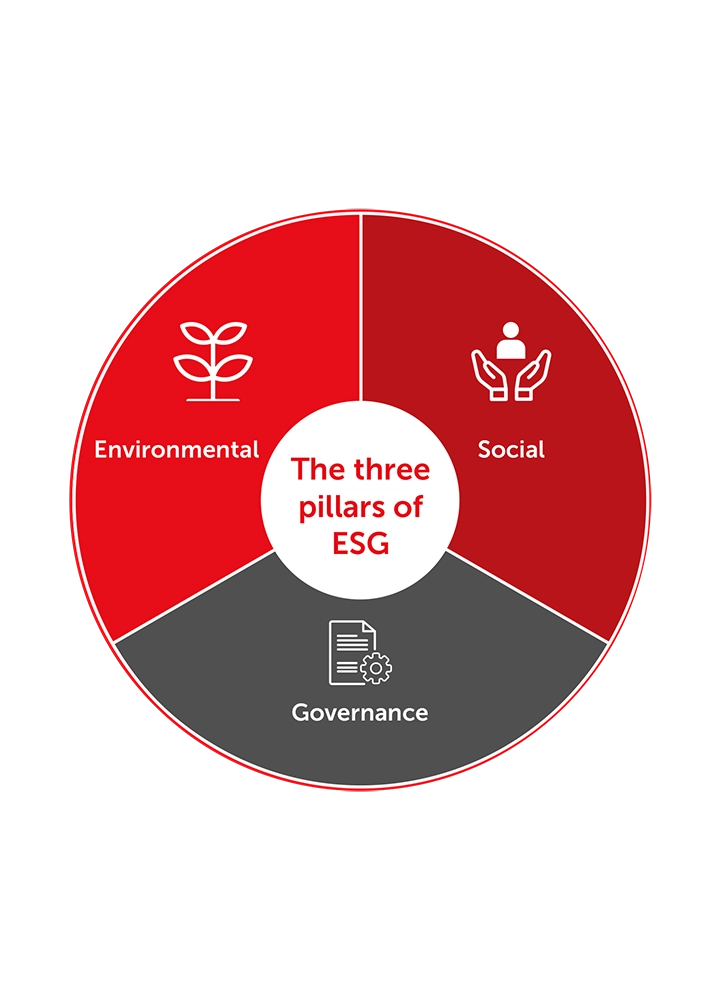
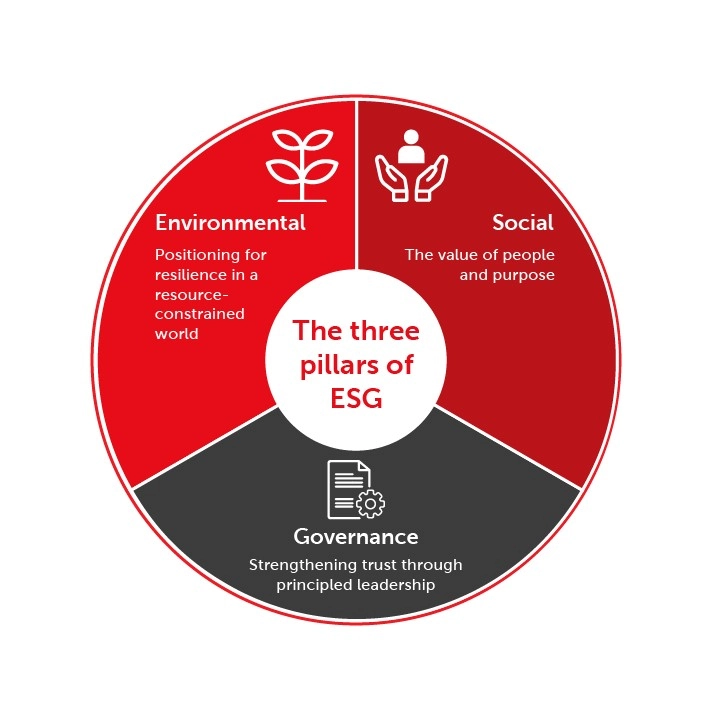
Environmental: Positioning for resilience in a resource-constrained world
Environmental factors are no longer abstract concerns. They are showing up in balance sheets and boardrooms. From rising insurance costs due to extreme weather to supply chain disruptions caused by droughts or floods, the environment is now a direct financial variable.
Companies that fail to manage their environmental impact may face regulatory penalties, reputational damage, or even stranded assets, investments that lose value as the world shifts away from fossil fuels and unsustainable practices. On the other hand, firms that invest in clean energy, efficient operations and sustainable sourcing are often better positioned for long-term success.
For investors, this means looking beyond quarterly earnings. It means asking whether a company’s environmental strategy is robust enough to weather the storms, both literal and financial, that lie ahead.
Social: The value of people and purpose
The social dimension of ESG focuses on how companies interact with people, employees, customers, suppliers and communities. In a world where talent is mobile and consumers are values-driven, social responsibility is no longer optional.
Companies that prioritise fair labour practices, diversity and inclusion and community engagement tend to attract and retain top talent. They also build stronger brand loyalty and are less likely to face public backlash or legal challenges.
For investors, social factors can be early indicators of a company’s culture and resilience. A firm that treats its people well is more likely to innovate, adapt and thrive in a competitive landscape.
Governance: Strengthening trust through principled leadership
Governance is the backbone of any organisation. It encompasses the systems, policies and leadership structures that guide decision-making. Strong governance means clear accountability, ethical leadership and a commitment to shareholder rights.
When governance fails, the consequences can be swift and severe. Scandals, fraud and mismanagement have brought down companies that once seemed invincible. Investors who pay attention to governance are not just protecting their capital, they are investing in stability.
Good governance also signals a company’s ability to manage other ESG risks effectively. It reflects a culture of responsibility that often translates into better performance over time.
Turning ESG insights into investment opportunities
The way environmental, social and governance principles are being used in investment decisions has undergone a remarkable transformation. What once began as a cautious effort to avoid companies involved in controversial industries has now evolved into a forward-looking strategy for identifying growth, managing risk and aligning wealth with purpose.
Today’s investors are not just steering clear of industries like tobacco, weapons, or fossil fuels, they are actively seeking out companies that are leading the way in sustainability, innovation and ethical leadership. This shift reflects a broader understanding that ESG is not about restriction; it is about selection. It is about choosing to invest in businesses that are building the future, not just profiting from the past.
There is also growing interest in thematic investing, where portfolios are built around powerful global trends such as clean energy, gender equality, or sustainable agriculture. These themes are not only socially relevant but also economically promising, offering exposure to sectors poised for long-term growth.
Perhaps the most refined approach is what many now call ESG integration. This is where ESG factors are woven directly into traditional financial analysis. Rather than replacing financial metrics, ESG insights enhance them, offering a more complete picture of a company’s resilience, adaptability and potential. It is a way of investing that recognises the full spectrum of risks and opportunities in a rapidly changing world.
In essence, ESG is no longer a filter, it is a lens. And through that lens, investors are discovering new ways to grow their wealth while contributing to a more sustainable and equitable future.
Does ESG deliver financial returns?
One of the most persistent myths about ESG investing is that it requires sacrificing returns. In reality, a growing body of research suggests the opposite.
Companies with strong ESG performance often demonstrate lower volatility, better risk management and more consistent earnings. During market downturns, ESG funds have shown resilience, partly because they tend to avoid companies with hidden liabilities or poor crisis response.
Moreover, ESG can be a source of innovation. Firms that invest in sustainability are often at the forefront of new technologies, business models and consumer trends. For investors, this can translate into long-term outperformance.
The risks of ignoring ESG
Choosing not to consider ESG factors is not a neutral stance, it is a risk in itself. As regulations tighten and public expectations rise, companies that lag behind may face increasing scrutiny and financial penalties.
Regulatory risk is growing, especially around climate disclosures and labour practices. Reputational risk is also significant; as social media can amplify controversies in real time. Operational risks, from supply chain disruptions to employee unrest, can erode profitability. And governance failures can lead to catastrophic losses.
In short, ignoring ESG is like ignoring the tide. It does not stop it from coming, it just leaves you unprepared.
Why affluent investors are leading the ESG movement?
Affluent investors are uniquely positioned to drive the ESG transition. With access to tailored advice, diversified portfolios and private market opportunities, they can go beyond basic screening and build truly impactful strategies.
They can invest in green bonds, sustainable infrastructure, or ESG-focused private equity. They can engage with companies as shareholders, influencing corporate behaviour from within. And they can support innovation in clean technology, social enterprises and inclusive finance.
For many, ESG is also a way to align wealth with purpose. It offers a framework for legacy planning, ensuring that investments reflect not just financial goals, but personal values and societal impact.
How to begin your ESG journey?
Embracing environmental, social and governance investing does not mean you need to completely overhaul your existing portfolio. In fact, the most effective ESG journeys often begin with something much simpler: clarity.
Clarity means understanding what truly matters to you as an investor.
- Are you passionate about addressing climate change?
- Do you want your investments to support social justice and fair labour practices?
- Or are you more focused on ethical leadership and corporate transparency?
- These are not just personal values, they are strategic priorities that can shape how your wealth grows and what it supports.
Once you have identified your core values, the next step is to take a closer look at your current investments. This is where alignment begins. Are there companies or sectors in your portfolio that conflict with your principles? For example, you might discover exposure to industries that rely heavily on fossil fuels or have poor records on human rights. At the same time, you may find opportunities to shift capital towards businesses that are leading in sustainability, innovation, or social impact.
This process does not have to be overwhelming. In fact, it becomes much more manageable and effective, when guided by a trusted financial adviser. ESG integration involves more than just screening companies; it requires interpreting complex data, understanding evolving regulations and evaluating how ESG factors influence long-term performance. A knowledgeable adviser can help you navigate these layers, ensuring your portfolio remains both values-aligned and financially sound.
It is also important to remember that ESG is not a fixed destination. It is a dynamic and evolving field, shaped by new technologies, shifting policies and changing public expectations. What qualifies as best practice today may look different tomorrow. That is why staying informed, open-minded and adaptable is essential for long-term success.
By starting with clarity, assessing your current position and seeking expert guidance, you can begin building an ESG-aligned portfolio that reflects your values, supports global progress and contributes to lasting financial prosperity.
Looking ahead: ESG as the new normal
The rise of ESG is not a passing trend. It is a structural transformation in how capital is allocated and how value is defined. As data improves, regulations evolve and societal expectations grow, ESG will become embedded in every investment decision.
This moment marks more than a shift in strategy, it is a call to stewardship. For investors, embracing ESG principles is not merely about adapting to change; it is about shaping it. It is an invitation to lead with foresight, to build portfolios that are not only financially robust but also ethically grounded and future-ready. In aligning capital with conscience, investors do not just preserve wealth, they redefine prosperity for a world in transition.
To explore our sustainability case studies, please click here.
Glossary
For Glossary of terms, abbreviations and explanations on investments, please visit adcb.com/invglossary.
Wealth Management solutions
Discover reliable, innovative Wealth Management solutions. Learn more
Disclaimer
ADCB’s products and services are subject to Consumer Banking Terms and Conditions. Abu Dhabi Commercial Bank PJSC ("ADCB", "The Bank") is licensed by the Central Bank of the United Arab Emirates under license number 13/2461/2005 to provide banking services to its clients and by the Securities and Commodities Authority to promote investment securities and provide investment related services under license number 601001.
This webpage is for information and illustrative purposes only and does not constitute any form of advice, commitment or engagement on behalf of the Abu Dhabi Commercial Bank and any of its subsidiaries including ADCB Asset Management Limited ("ADCB Group"). It should not be construed as an offer or solicitation to buy or sell any investment products, nor is it to be considered as personalized investment advice. It should be read in conjunction with applicable documents and respective terms and conditions for potential investor to understand the terms and information contained therein. Persons receiving this email are instructed to discuss it with their professional legal, financial and tax advisors before they make any financial commitments and shall be deemed to have made a reasonable assessment of the potential risks and rewards in making such a commitment. ADCB Group does not guarantee any third party service provider and investors invest at their own risk and bear all risks involved in any product purchased. ADCB Group will not hold any responsibility for the outcome of any investment decisions taken. Past performance does not guarantee future results. Investment products are not Bank deposits and are not guaranteed by the ADCB Group, they are subject to investment risks, including possible loss of the principal amount invested. Please refer to ADCB Wealth Services Terms and Conditions.

Did you know?ESG is not a trend, it is a transformation
Knowledge quiz What is a common myth about ESG investing?
Tags: Nearing Retirement Entrepreneurs Growing Your Savings Growing Your Business Investing for Growth

